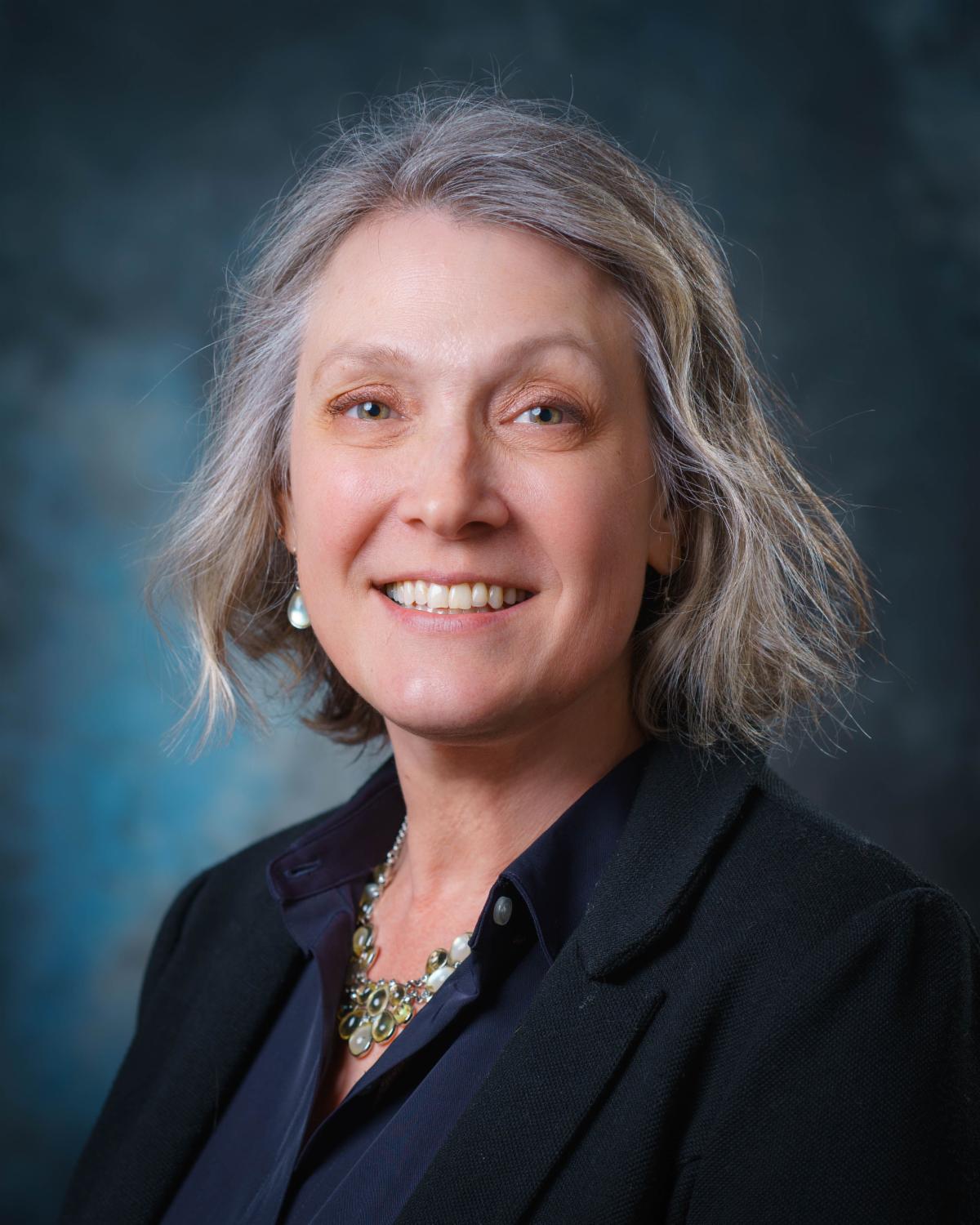
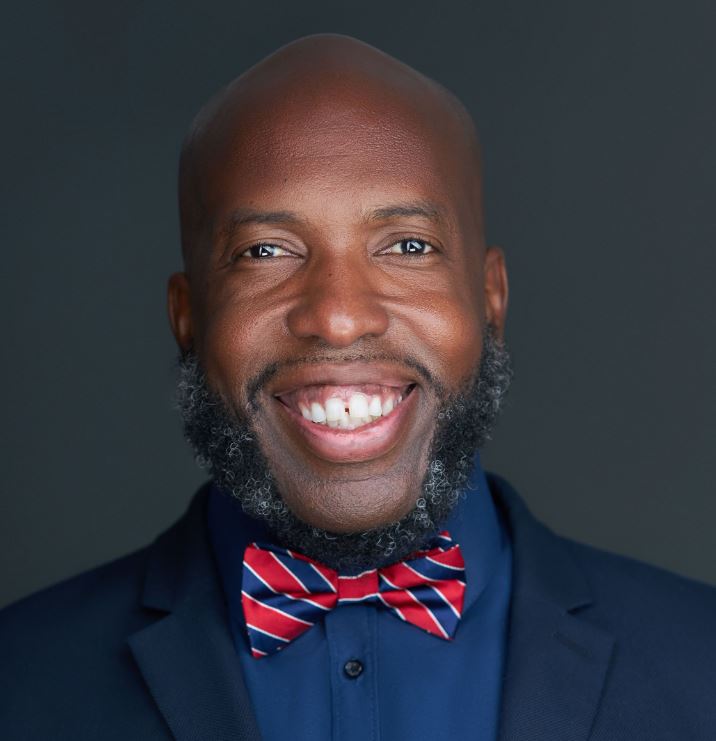
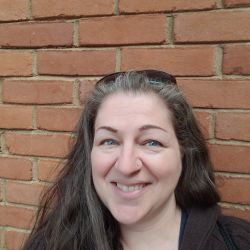
Tonka Jokelova is an instructional designer and online education specialist at SUNY Canton with expertise in instructional design, online teaching, and accessibility. She is passionate about helping educators create engaging, effective online learning experiences that support both student success and instructor satisfaction.
Courses Taught
Online Teaching Certificate
Why Take This Course?
The Online Teaching Certificate program provides participants with the opportunity to design and develop courses they can immediately use on their campuses. Throughout the process, participants receive interactive feedback from the instructor and engage in meaningful discussions with peers, creating a collaborative learning environment focused on practical application.
As one participant shared, “I really appreciated how practical and applicable this course was. Each assignment directly contributed to building a real course, which made the experience feel meaningful and relevant. I also found the discussions valuable, as they allowed me to learn from peers with different perspectives and approaches to course design.”
What to Expect
Participants can expect a flexible and supportive experience that allows them to tailor their work to their own teaching styles and campus needs. Whether building a few modules or developing an entire course, participants have the freedom to shape their projects in meaningful ways.
Those who choose to develop a full course during the program benefit from more extensive feedback from both the instructor and fellow participants, helping them refine and strengthen their course design.
Instructor Reflection
Teaching this program has reinforced for Tonka the importance of remaining flexible and responsive to learners’ needs. Participant questions often reveal opportunities to clarify concepts and improve the learning experience.
One of the most rewarding aspects of teaching the program is seeing participants’ completed courses at the end. Each course reflects the ongoing conversations, design principles, and personal teaching styles that participants bring to the experience. Tonka also values watching participants support one another, build professional connections, and learn from shared experiences. These interactions help her continue to grow as both an instructor and a learner.
Why She Teaches for SUNY CPD
Education—and especially high-quality online education—is Tonka’s passion, profession, and mission. She enjoys sharing resources, fostering conversations about effective online teaching, and helping instructors create courses that are rewarding for both students and educators. Through SUNY CPD, she values the opportunity to collaborate with faculty across the SUNY system and contribute to meaningful professional growth.
Looking ahead to SUNY’s Conference on Instruction and Technology (CIT)
We are thrilled to share that registration is now open for SUNY CIT 2026, being hosted by Stonybrook University on May 26-29, 2026. CIT has always been a cornerstone of educational technology professional development across our system, offering a space where educators, technologists, and leaders come together to learn from one another, spark new ideas, and strengthen the practices that support our students.
This year’s conference continues that tradition with a rich lineup of sessions and keynotes, and pre‑conference workshops, which offer deep‑dive, hands‑on opportunities to build skills and explore emerging tools.
This years workshops include:
Cross-Cultural Learning: Don’t Go It Alone!
Preparing for Title II: Making Content Accessible in Brightspace and Microsoft Tools
Preserving Writing as a Means of Learning
Empowering All Learners with Technology
Getting Up to Speed with AI for Educators
Learn to Apply Ethical, Effective Learning with AI Using Metaliteracy
Vibe Coding Workshop
Whether you’re looking to strengthen your teaching practice, explore AI’s role in learning, enhance accessibility, or expand your digital skillset, there’s a workshop designed to meet you where you are and help you grow.
The SUNY CIT Conference is proud to feature two inspiring keynote speakers who are helping shape the future of teaching, learning, and technology in higher education.
Keynote Speaker – Sarah Rose Cavanagh
Sarah Rose Cavanagh is a psychologist, professor, and Senior Associate Director for Teaching and Learning at Simmons University. In her keynote, she will explore how emotion, motivation, and mental health influence meaningful learning experiences. Known for translating research into practical strategies, her work highlights the power of “compassionate challenge” in creating engaging, supportive classrooms that foster student success.
Closing Speaker – Emily Laird
Emily Laird brings a forward-looking perspective on the rapidly evolving role of artificial intelligence in education. As an AI Integration Technologist at the University of Wisconsin–Stout, she works across campus and industry to advance AI literacy and support the thoughtful, ethical integration of emerging technologies. Her engaging approach helps educators and institutions move from curiosity to confident, effective use of AI.
Inclusive Postsecondary Education (IPSE) Webinar Series
Explore how to expand inclusive college opportunities for students with intellectual disability through this free three-part SUNY webinar series designed to build awareness, knowledge, and campus readiness.
Study practical skills in learning‑outcomes design, curriculum mapping, and evidence‑based assessment practices to strengthen teaching, learning, and academic program quality across your campus.
Prepare to support institutional assessment and accreditation efforts by developing skills in strategic goal setting, measurement, data collection, evaluation, and continuous improvement.
Research early intervention strategies, instructional flexibility, differentiated instruction, and instructor support while at the same time understanding how to meet the needs of non-traditional students to implement better systems and pedagogical techniques to help them succeed and graduate.
Starts April 12, 2026
Teaching for Racial Equity
Use a transdisciplinary approach that draws on the fields of sociology and anthropology and integrated with educational and sociocultural philosophies of critical pedagogy. Gain understanding of the educational experiences of racially minoritized students as these inform student success outcomes.
Build confidence in understanding, analyzing, interpreting, and communicating data with practical techniques to apply directly to daily decision‑making and long‑term career goals
Build wellbeing and resilience through this 7-week, self-paced course focused on meditation, self-care, and mindful communication for working professionals.
Instructor Spotlight: David Runge & Andrew Buchmann
Co-instructors David Runge and Andrew Buchmann of SUNY Oswego teach Foundations of Academic Advising through the SUNY Center for Professional Development, helping professionals across the SUNY system strengthen their advising knowledge and skills.
The course is designed for both new and experienced advisors and emphasizes practical strategies, peer collaboration, and active engagement. Participants explore advising theory while developing tools they can apply directly in their work.
Runge and Buchmann also host a weekly podcast-style reflection during the course, highlighting key themes and insights emerging from participant discussions.
Through their collaborative teaching approach, they help create a dynamic learning environment where professionals across SUNY can connect, share experiences, and support student success.
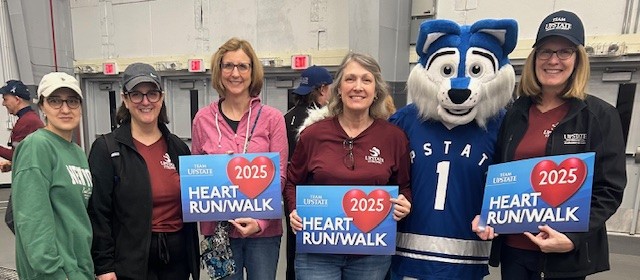
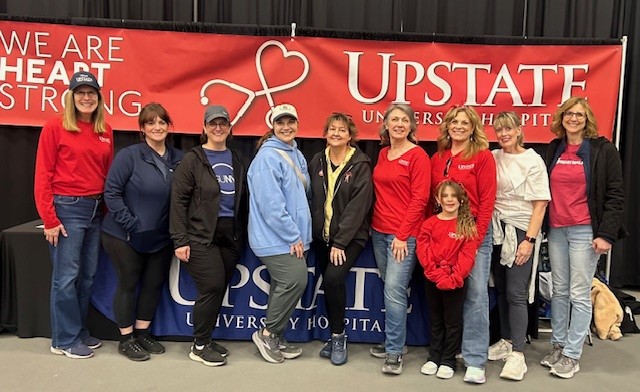
At the SUNY Center for Professional Development, we spend our days helping others learn, grow, and strengthen their communities. As a department of SUNY Upstate Medical University, the SUNY CPD Heart Crew participates each year in the Syracuse Heart Walk to raise money for the American Heart Association. We walk to Save Lives. Help us reach our goals today by joining our team or donating towards our goal.
As part of the SUNY CPD Membership Model, your campus receives annual General and / or Technical Points to invest in professional learning and technical development. With the end of June approaching, now is the time to use any remaining points before they expire. In this issue, you’ll find a variety of opportunities—courses, events, and conferences —that are all eligible for point use. Reach out to your CPD Member Campus Liaison for more information. Explore what’s available and secure your spot while points are still active.
Take a look and make the most of your membership.
Lisa Raposo
Executive Director
SUNY Conference on Instruction and Technology (CIT)
Designing the Future of Learning: Resilient Teaching, Innovative Practices, and Student Success
Stony Brook University
May 26-29, 2026
ONE WEEK LEFT to register at the early bird pricing of $250!
Full conference registration cost increases to $300 May 6th.
Kick-off your conference experience with a pre-conference workshop! We have 6 workshops to choose from:
Preserving Writing as a Means of Learning: A hands on workshop on students’ AI use – for faculty, instructional designers, librarians, and more
Cross-Cultural Learning: Don’t Go It Alone!
Preparing for Title II: Making Content Accessible in Brightspace and Microsoft Tools
Getting Up to Speed with AI for Educators
Learn to apply ethical, effective learning with AI using Metaliteracy
Vibe Coding Workshop
Empowering All Learners with Technology
Thursday Evening Activity:
Get your team together for Trivia night! Join us at The Bench onThursday eveningduring CIT for dinner and trivia. Enjoy great food, test your knowledge, and connect with fellow attendees in a laid-back, social atmosphere just minutes from campus.
Use a transdisciplinary approach that draws on the fields of sociology and anthropology and integrated with educational and sociocultural philosophies of critical pedagogy. Gain understanding of the educational experiences of racially minoritized students as these inform student success outcomes.
Build confidence in understanding, analyzing, interpreting, and communicating data with practical techniques to apply directly to daily decision‑making and long‑term career goals
Build wellbeing and resilience through this 7-week, self-paced course focused on meditation, self-care, and mindful communication for working professionals.
Build the skills to lead with impact—this virtual course equips postsecondary leaders with coaching strategies, core competencies, and practical tools to support teams, students, and organizational change.
This month, we are highlighting Professor Samy Garas of SUNY Plattsburgh, instructor of Storytelling with Data in the SUNY Center for Professional Development.
In this course, Professor Garas helps faculty and staff transform complex data into clear, compelling, and decision-ready narratives. Emphasizing both technical skill-building and communication strategy, participants learn to use tools such as Excel, Power BI, and Tableau to create meaningful visualizations tailored to specific audiences.
A core focus of the course is helping participants move beyond reporting data to telling purposeful stories—defined by audience, decision context, and key takeaway. The course also emphasizes ethical and responsible data communication, including how visual design choices can influence interpretation.
Participants leave with an executive-ready data story, stronger visualization skills, and increased confidence in presenting data clearly and accurately in professional settings.
Professor Garas reflects that one of the most impactful aspects of teaching the course is seeing participants realize how small changes in framing and design can significantly improve clarity and understanding—shifting their work from “making charts” to communicating insight.
We thank Professor Garas for his continued contributions to SUNY CPD and his work in advancing effective, ethical data communication across the SUNY system.
In The Community
Connect on Viva Engage
Join SUNY colleagues in Communities of Practice and topic-based groups through the SUNY Learning Commons
A new community in the SUNY learning Commons designed to connect SUNY professionals who support student learning and success.
SLATE is a space to share best practices and innovative strategies in tutoring, learning support, academic coaching, and student engagement. Members can explore emerging topics like AI in tutoring, supporting neurodiverse learners, and engaging SUNY Reconnect students, while collaborating on approaches to improve gateway course success and retention.
Join the conversation to exchange resources, spark new ideas, and learn from colleagues across the SUNY system.
We surpassed our goal of $1,000—thank you to everyone who donated and walked alongside us. Your support made a meaningful impact in the fight against heart disease, and it was inspiring to see our community come together for such an important cause.
The CPD walked with almost 2,000 others through the Onondaga Community College campus. The walk raised more than $400,000 to support heart health initiatives and lifesaving education through the American Heart Association.
About Professor Garas Professor Samy Garas specializes in Data Analytics and Interrogation, with a focus on helping professionals translate complex data into clear, actionable insights. His work emphasizes effective communication, ethical data use, and practical application across a range of institutional contexts.
Course Taught Storytelling with Data
Why Take This Course? Storytelling with Data equips participants with essential skills for communicating effectively with diverse stakeholders, including leadership, committees, students, and external partners. The course emphasizes tailoring messages to specific audiences, building practical visualization skills using tools like Excel, Power BI, and Tableau, and developing hands-on experience through weekly practice. Participants also learn to recognize and avoid misleading or unethical data representations—an essential skill for reporting, assessment, student success, compliance, and strategic planning.
What to Expect Participants can expect a highly practical, applied learning experience. By the end of the course, they will have developed a complete, executive-ready data story tailored to a specific audience and goal. The course strengthens participants’ ability to choose visuals intentionally, structure compelling narratives, and communicate insights with clarity and confidence. Emphasis is also placed on ethical and accurate data communication.
Instructor Reflection Teaching this course has reinforced that the biggest barrier to effective data storytelling is rarely technical—it is clarity of purpose and focus on the audience. When participants move away from trying to “report everything” and instead define a single decision, audience, and takeaway, the quality of their work improves significantly.
Another key insight is that professionals across roles are often data-rich but time-poor. The most effective projects translate complex information into concise, actionable messages for busy stakeholders. Particularly impactful are the moments when participants realize how small design choices—such as chart titles, ordering, scale consistency, and clear definitions—can dramatically influence interpretation. Watching this shift from simply “making charts” to communicating with meaning and integrity remains the most rewarding part of the course.
Why He Teaches for SUNY CPD Professor Garas values teaching for SUNY CPD because it allows him to support faculty and staff across the system with skills they can immediately apply in their work. He appreciates the course’s practical focus, where participants bring real challenges and leave with usable deliverables for meetings, reports, and decision-making contexts.
What he enjoys most is seeing participants shift from “sharing data” to communicating clear, decision-ready messages. As they learn to define their audience, focus on what matters, and present information ethically and effectively, their confidence grows and their impact increases.
About Andrew Andrew Buchmann works in academic advising at SUNY Oswego and is passionate about supporting professionals who help students succeed in higher education.
Course Taught Foundations of Academic Advising through the SUNY Center for Professional Development
Why Take This Course? Many advisors begin their roles without formal training in the discipline. This course provides a strong foundation for new advisors while helping experienced professionals connect advising theory to everyday practice.
What to Expect Participants will gain knowledge from course content while also learning from peers across institutions. Andrew and his co-instructor host a weekly podcast-style reflection during the course, sharing themes and insights from participant discussions.
Instructor Reflection Co-teaching this course has reinforced the importance of applying advising principles in daily work. Designing and teaching the course has encouraged deeper reflection on advising practices and how they support student success.
Why He Teaches for SUNY CPD Teaching for CPD provides an opportunity to give back to a community of professionals dedicated to supporting students. Sharing knowledge across the SUNY system helps strengthen advising practice and ultimately benefits the students served.
About David David Runge works in academic advising at SUNY Oswego. His work centers on helping students navigate their academic journeys while building meaningful connections that support their success.
Course Taught Foundations of Academic Advising through the SUNY Center for Professional Development
Why Take This Course? Academic advising knowledge is valuable for many professionals across higher education. Faculty, student affairs professionals, and those outside of advising can gain transferable skills that apply across the higher education landscape.
What to Expect Participants can expect an engaging course experience focused on participation and collaboration. Activities range from scenario-based advising practice to creating visual artifacts that highlight advising values. Discussion boards are a key part of the experience, encouraging participants to connect through dialogue, video, and audio.
Instructor Reflection Teaching this course provides the opportunity to learn from advisors with a wide range of experiences—from community colleges to four-year institutions and specialized advising programs. These perspectives continually challenge and expand his own understanding of advising practice.
Why He Teaches for SUNY CPD He enjoys the enthusiasm and engagement CPD learners bring to each course. Teaching for CPD provides the opportunity to contribute to a system-wide culture of professional growth and learning.
Every department and role within a university can benefit from data-driven insights. Whether it is academic departments using data to improve curriculum and teaching methods, or administrative staff optimizing resource allocation, data literacy empowers everyone to make informed decisions. Of course, we know that data underlies the academic research done at our institutions, but understanding and utilizing data also helps in improving student experiences and outcomes. Data literacy helps staff in student services, advising, and support roles identify at-risk students early and provide targeted interventions.
By embedding data literacy across all roles, higher education institutions can create a more cohesive, efficient, and effective environment that benefits everyone involved. Data is indeed a shared responsibility across all faculty and staff in higher education, not just the domain of institutional research staff.
Data Literacy Essentials for Higher Education Professionals
This online asynchronous program provides an overview of understanding data creation, use, analysis, interpretation, and storytelling for higher education professionals looking to increase their data literacy skills. Participants will build confidence and competency using data by learning and practicing techniques for incorporating data into their daily work and career goals.
Designed for:anyone working in higher education who analyzes data or makes data-based recommendations or decisions.
Course One: Fundamentals of Working with Data
Dates: Feb. 18 – March 31 or May 13 – June 23
A comprehensive introduction to the basics of data literacy in higher education covering the data lifecycle, governance, and analysis. Participants will gain a foundational understanding of key data concepts and terminology including the essential components of data analysis.
Course Two: Storytelling with Data
Dates: April 1 – May 12 or June 24 – Aug. 4
Builds on foundational data analysis skills to learn how to transform data insights into compelling and informative stories tailored for specific audiences in higher education. It is designed for those who have completed Course One or can demonstrate equivalent knowledge.
Courses available for SUNY employees at a discount
Elevate your skills with our five crucial learning courses, each designed to transform your personal and professional growth. From mastering productivity, to strengthening communication and accountability, and leading change, these courses provide the tools you need to thrive.
Choose from 5 online, self-paced courses:
Crucial Conversations for Mastering Dialogue
Crucial Conversations for Accountability
Crucial Influence
Getting Things Done
The Power of Habit
PLUS! Each course includes an optional live online session with a community of practice to enhance your learning
Public Good U registration closes January 29th. Join us for an engaging and transformative conference dedicated to exploring the vital role of public higher education as a public good in the 21st century. This timely event will bring together educators, academic administrators, policy makers, and business leaders to address the challenges and opportunities facing public higher education institutions, students, faculty, and staff.
Consider key questions in theories on learning, focusing on constructivist theories, as a foundation for designing and implementing effective teaching practices for students with diverse backgrounds and experiences.
Designed for: faculty, staff, graduate assistants/teaching assistants, and librarians who have teaching responsibilities or who plan to teach in the future.
The SUNY Center for Professional Development is looking for an instructor to teach the Equitable Evaluation and Assessment course in the online asynchronous Inclusive Teaching and Learning Certificate Program (suny.edu/itlcert). If interested, please review the document linked below with details about responsibilities and compensation.
To apply, email the following to Chris Price (chris.price@suny.edu) by Monday, February 3rd:
Summary of your background in teaching about equitable evaluation and assessment of student learning (required).
Summary of your experience delivering professional development programs to faculty and staff in higher education – either face-to-face or online (preferred).
The New Faculty Peer Mentoring Program is being offered this Spring at no cost to tenure track faculty on all SUNY campuses. Meetings will take place in Zoom every other Monday from 2-3 pm starting January 27th and ending May 5th. The meetings are not recorded.
The SUNY New Faculty Peer Mentoring Community is designed to support the work of new tenure track SUNY colleagues in their first two years. This Peer Mentoring Community offers new faculty an opportunity to talk about vital issues as teachers, scholars, and advisors.
An overview of the concepts, research and practices associated with mindfulness and meditation. Learn the scientific, emotional, mental and physical benefits of mindfulness and meditation to reduce stress, promote inner peace, have better relationships and enjoy life more fully.
A practical, experiential, and theoretical introduction to mindful communication, exploring a range of communicative contexts and settings such as listening, intra and interpersonal communication, and intercultural communication, as well as workplace, group, and leadership communication.
Illuminate the important role mindfulness plays in leadership development today. Learn how mindfulness can create positive organizational change, improve teamwork, increase resiliency, reduce stress and bring clarity to decision making processes – even during times of crisis.
Date: Wednesday, March 12th and Wednesday, March 19th
Time: 9:00 am – 5:00 pm EST
Dive into the project management life cycle. This workshop seeks to provide a common framework and language for people to use when working on project teams. It is not designed for people already working in project management roles, but rather, designed for people new to project management with little or no formal training. The focus of the training is to help SUNY employees understand the concepts and improve their project management skills.
This asynchronous, 18-week certification program focuses on equipping participants with skills in instructional design, assessment development, course evaluation, and the utilization of assessment data and feedback for continual course enhancement. Design and develop engaging, inclusive, and effective learning experiences while mastering the creation of effective assessments.
Course 1: Foundations of Instructional Design February 18 – March 31
Course 2: Equitable Assessment Design and Course Evaluation April 1 – May 12
Course 3: Advanced Instructional Design and Course Enhancement June 3 – July 7
Vendor Registration for the 33rd Annual SUNY Conference on Instruction & Technology (CIT) is now open.
CIT is an event on instructional technology, providing a forum for faculty, instructional support professionals, and policymakers to present, discuss, and explore innovative avenues for integrating technology into the teaching and learning environment.
The theme for 2025, Human-Centered Learning: Tensions, Innovations, and Inclusion in the Future of Education is supported by five tracks:
Registration is now open for the SUNY Digital Learning Conference.
For this open, two-day, conference, we invite faculty, technologists, librarians, teaching and learning support specialists, and students to engage in discussions and workshops focused on tools and methods essential for effective public humanities work.
Presentations on any aspect of public humanities or community engaged work inside and outside of the classroom are welcome. Themes or categories that are included or may be helpful to think about are:
creating, exploring or working with local history collections including oral histories
writing about local news or politics and creating engaged citizen students
ways of fostering and sustaining long term community relationships
using digital storytelling tools to create public facing content
challenges and opportunities engaging students in public facing work
specific lessons or approaches to working digital tools into classrooms
fostering student creativity and advocacy through community engaged learning
In support of the SUNY Office of Student Success, SUNY CPD is hosting a two-series of webinars this spring:
Campus Best Practices for Student Success
As part of the SUNY Transformation Fund initiative, this FREE webinar series will provide a platform for campuses to exchange best practices and learn from each other’s experiences. Each session will feature expert speakers and interactive discussions, offering participants valuable insights and actionable strategies to support student success across SUNY campuses.
Dual Admissions Programs – January 29th at 12:00pm
Facilitated by John Delate, Vice President for Enrollment and Student Affairs at SUNY Adirondack, hear more about the dual admission program between SUNY Adirondack and SUNY Plattsburgh.
Ensuring student success and timely graduation is more critical than ever. This FREE Transformation Fund webinar series will delve into Complete College America’s (CCA) proven strategies and best practices. Sessions will provide participants with actionable insights and a comprehensive understanding of how to foster a supportive and effective learning environment across SUNY campuses.
Overview and Kickoff – February 6th at 12:00pm
CCA Strategy Director Meacie Fairfax will set the stage for the series by exploring how Complete College America collaborates with institutions to drive student success.
CPD Joins the American Heart Association Heart Walk!
The CPD is participating in the American Heart Association’s Heart Walk! Our team is gearing up to make strides for heart health on Sunday, March 30th. We invite you to join us in this vital cause to support heart health and save lives.
Through our participation, we are not only promoting our well-being but also contributing to crucial research and educational efforts led by the American Heart Association.
Join the CPD team and help us reach our fundraising goal! Every step counts, and your support makes a significant difference. Check out our team page and learn more about how you can get involved.
I am grateful to have attended Public Good U, organized by SUNY University Faculty Senate, SUNY Faculty Council of Community Colleges, and State University of New York in partnership with the City University of New York. This conference highlighted the vital role of publicly funded colleges and universities in providing accessible education, fostering economic growth, and promoting community engagement. Each presentation and conversation underscored the importance of our mission in advancing equity, innovation, and economic development.
As we continue our work, let us remain focused on our purpose and support one another, recognizing that our collective strength is essential in addressing challenges together. Below are several SUNY CPD opportunities to connect, support, and learn from one another.
We hope to see you soon.
Lisa Raposo
Executive Director
SUNY’s Inclusion Quest 2025
Increase Your Accessibility IQ and Remove Barriers to Digital Content
Join us for a year-long initiative to enhance digital accessibility across the SUNY system. Inclusion Quest (IQ) will empower faculty, staff, and students with the latest updates on accessibility laws and best practices. Through workshops, training, collaborative projects, and friendly competition, participants will develop essential skills to create accessible digital content.
Upcoming Webinars:
Navigating the New ADA Title II Requirements: A Framework for Higher Education Professionals
February 28th from 12:00–1:00 PM
Explore recent ADA Title II updates and their impact on higher education. Learn compliance strategies and participate in an interactive Q&A.
Ensuring ADA Title II Compliance in Technology Purchases for Higher Education
March 6th from 12:00–1:00 PM OR March 14, 12:00–1:00 PM
Learn how ADA Title II regulations affect procurement and gain strategies for compliance with third-party digital products.
The SUNY Center for Professional Development (CPD) is looking for individuals interested in designing and delivering one of the six-week asynchronous online courses for the Academic Advising Certificate program.
The program serves as a cornerstone for enhancing the quality of academic advising services, promoting student success, and advancing the professionalism of the academic advising field within higher education. While we will consider applications from those outside SUNY, faculty and staff in the System will be given priority. We will also consider applications from co-designers or co-instructors (with compensation divided between them).
Data Literacy Essentials for Higher Education Professionals
This online asynchronous program provides an overview of understanding data creation, use, analysis, interpretation, and storytelling for higher education professionals looking to increase their data literacy skills. Participants will build confidence and competency using data by learning and practicing techniques for incorporating data into their daily work and career goals.
Designed for:anyone working in higher education who analyzes data or makes data-based recommendations or decisions.
Storytelling with Data
April 1 – May 12 or June 24 – Aug. 4
Builds on foundational data analysis skills to learn how to transform data insights into compelling and informative stories tailored for specific audiences in higher education. It is designed for those who have completed Course One or can demonstrate equivalent knowledge.
Courses available for SUNY employees at a discount
Featured Course:
Crucial Conversations for Mastering Dialogue
Learn powerful skills to help you speak up quickly, directly, and effectively when it matters most. This course, grounded in decades of social science research, introduces the foundations of holding impactful dialogue and takes a deeper dive into mastering the most challenging conversations, at work and at home.
Otther courses include:
Crucial Conversations for Accountability
Crucial Influence
The Power of Habit
PLUS! Each course includes an optional live online session with a community of practice to enhance your learning experience.
Now Accepting Nominations for the SUNY SAIL Summer Leadership Program
SUNY Summer Leadership Retreat
August 4-8, 2025
White Eagle Conference Center, Hamilton, NY
Now Accepting Nominations for the SUNY SAIL Summer Leadership Program. You may nominate yourself or someone else. Submit nominations before April 30th.
Date: Wednesday, March 12th and Wednesday, March 19th
Time: 9:00 am – 5:00 pm EST
Dive into the project management life cycle. This workshop seeks to provide a common framework and language for people to use when working on project teams. It is not designed for people already working in project management roles, but rather, designed for people new to project management with little or no formal training. The focus of the training is to help SUNY employees understand the concepts and improve their project management skills.
Date: Thursday, April 23, 2025 and Thursday, May 7, 2025
Time: 9:00 am – 5:00 pm EST
Dive into how to best manage and deliver projects for your institution. Those who benefit from this course would typically lead a team of functional and technical staff to implement changes to academic programs, staff and student learning programs, software systems and upgrades, facility and classroom modifications, and other campus and SUNY-wide projects.
Instructional Design Certificate Program
This asynchronous, 18-week certification program focuses on equipping participants with skills in instructional design, assessment development, course evaluation, and the utilization of assessment data and feedback for continual course enhancement. Design and develop engaging, inclusive, and effective learning experiences while mastering the creation of effective assessments.
Course 2: Equitable Assessment Design and Course Evaluation April 1 – May 12
Course 3: Advanced Instructional Design and Course Enhancement June 3 – July 7
Vendor Registration for the 33rd Annual SUNY Conference on Instruction & Technology (CIT) is now open.
CIT is an event on instructional technology, providing a forum for faculty, instructional support professionals, and policymakers to present, discuss, and explore innovative avenues for integrating technology into the teaching and learning environment.
The theme for 2025, Human-Centered Learning: Tensions, Innovations, and Inclusion in the Future of Education is supported by five tracks:
Registration is now open for the SUNY Digital Learning Conference.
For this open, two-day, conference, we invite faculty, technologists, librarians, teaching and learning support specialists, and students to engage in discussions and workshops focused on tools and methods essential for effective public humanities work.
Presentations on any aspect of public humanities or community engaged work inside and outside of the classroom are welcome. Themes or categories that are included or may be helpful to think about are:
creating, exploring or working with local history collections including oral histories
writing about local news or politics and creating engaged citizen students
ways of fostering and sustaining long term community relationships
using digital storytelling tools to create public facing content
challenges and opportunities engaging students in public facing work
specific lessons or approaches to working digital tools into classrooms
fostering student creativity and advocacy through community engaged learning
In support of the SUNY Office of Student Success, SUNY CPD is hosting a two-series of webinars this spring:
Student Basic Needs Support
As part of the SUNY Transformation Fund initiative, this FREE webinar series will provide a platform for campuses to exchange best practices and learn from each other’s experiences. Each session will feature expert speakers and interactive discussions, offering participants valuable insights and actionable strategies to support student success across SUNY campuses.
March 5, 2025
12:00 pm – 1:00 pm
Presenter: Adam Patterson, Dean of Liberal Arts and Sciences and Christina Annesi, ASAP Director, Erie Community College
Join us for a discussion on Student Basic Needs Support, exploring how institutions can create a culture of care by addressing food insecurity, housing stability, and financial challenges. Learn from experts about best practices and innovative campus initiatives that remove barriers to student well-being.
Ensuring student success and timely graduation is more critical than ever. This FREE Transformation Fund webinar series will delve into Complete College America’s (CCA) proven strategies and best practices. Sessions will provide participants with actionable insights and a comprehensive understanding of how to foster a supportive and effective learning environment across SUNY campuses.
February 27th
12:00 pm – 1:00 pm
Join Dr. Lakeisha Mathews, Director of the Career and Internship Center at the University of Baltimore, for an engaging session on aligning academics with career goals. Learn practical strategies for embedding career readiness into academic pathways, expanding equitable access to internships, and leveraging AI to connect students with tailored career resources and personalized support.
Leveraging Generative AI to Create Free and Open Educational Resources webinar
Interested in with AI and OER? Join us for an engaging virtual presentation on Leveraging Generative AI to Create Free and Open Educational Resources on March 25th from 2:00 PM to 3:00 PM.
This session will explore how generative AI, particularly ChatGPT, can enhance the development and dissemination of Open Educational Resources (OER). You’ll learn how to:
Use AI for creating high-quality, accessible learning materials through effective prompt engineering.
Address ethical considerations, including plagiarism and copyright, for responsible AI use.
Supplement coursework with AI-generated content to improve course iterations and inclusivity.
The SUNY Online Summit is just around the corner! This event brings together experts and educators to explore the future of online learning. Registration for virtual attendance open until the conference begins.
CPD Joins the American Heart Association Heart Walk!
The CPD is participating in the American Heart Association’s Heart Walk! Our team is gearing up to make strides for heart health on Sunday, March 30th. We invite you to join us in this vital cause to support heart health and save lives.
Through our participation, we are not only promoting our well-being but also contributing to crucial research and educational efforts led by the American Heart Association.
Join the CPD team and help us reach our fundraising goal! Every step counts, and your support makes a significant difference. Check out our team page and learn more about how you can get involved.
As we continue to navigate the evolving landscape of Generative Artificial Intelligence (GAI), your input is crucial to ensure these tools are effectively supporting teaching and student success. The AI Tutor subcommittee of the SUNY FACT2 AI in Action Task Group seeks to inform the development of an SUNY AI Tutor platform to support students across our campuses. FACT2 would like your insights on current AI tutor activities throughout SUNY, the desired features, and potential uses. Please share the SUNY AI Tutor Project campus survey with your faculty and instructional support staff to contribute to this important initiative. Your feedback will help shape the future of AI in education at SUNY.
Learn how to lead assessment initiatives on campus. Competencies will be introduced through proven models of leadership and will include how to develop trust, effective communication practices, relationship management techniques, prioritize initiatives while adapting to challenging and uncertain times, and how to undertake a stakeholder analysis.
Contribute to institutional level assessment and accreditation committees, assist your institution and respective department in the assessment of strategic objectives, and be able to advise, assist and instruct others in developing cycles of goal setting, measurement, data collection, process review and evaluation.
Focus on the importance of assessment activities in improving teaching and learning. Learn how to develop learning outcomes, to use rubrics and other assessment tools and to identify strategies for using results to improve the academic experience. Develop skills to actively contribute to program review, curricular mapping and accreditation projects on campus.
This virtual workshop outlines the components of a successful proposal and the steps to get there. Learn how to improve your chances of getting funded through fund sourcing, proper planning and organization, concise writing, collaboration, and proposal submission. From the comfort of your home or office participate in learning activities, independent grant writing work, and online discussions.
Courses available for SUNY employees at a discount
Featured Course:
Crucial Conversations for Mastering Dialogue
One of the costliest barriers to organizational performance is unresolved Crucial Conversations. Turn disagreement into dialogue by speaking up candidly, respectfully, and quickly. Invest in yourself and your team today and begin learning online at your own pace.
Audience:
Individuals, Managers, Faculty, Department Chairs, Deans, Academic Leaders
About 7-8 hours of online learning; one-year access to the course
Otther courses include:
Crucial Conversations for Accountability
Crucial Influence
The Power of Habit
PLUS! Each course includes an optional live online session with a community of practice to enhance your learning experience.
Nominations for the SUNY SAIL Summer Leadership Program Due April 30th
SUNY Summer Leadership Retreat
August 4-8, 2025
White Eagle Conference Center, Hamilton, NY
Now Accepting Nominations for the SUNY SAIL Summer Leadership Program. You may nominate yourself or someone else. Submit nominations before April 30th.
Date: Thursday, April 23, 2025 and Thursday, May 7, 2025
Time: 9:00 am – 5:00 pm EST
Dive into how to best manage and deliver projects for your institution. Those who benefit from this course would typically lead a team of functional and technical staff to implement changes to academic programs, staff and student learning programs, software systems and upgrades, facility and classroom modifications, and other campus and SUNY-wide projects.
Instructional Design Certificate Program
This asynchronous, 18-week certification program focuses on equipping participants with skills in instructional design, assessment development, course evaluation, and the utilization of assessment data and feedback for continual course enhancement. Design and develop engaging, inclusive, and effective learning experiences while mastering the creation of effective assessments.
Course 1: Foundations of Instructional Design (In Progress – Fall Begins Aug 25)
Course 2: Equitable Assessment Design and Course Evaluation April 1 – May 12
Course 3: Advanced Instructional Design and Course Enhancement June 3 – July 7
SUNY Graduate Research and Creative Activities Conference (GradCon)
When: Virtually, May 2nd, 2025.
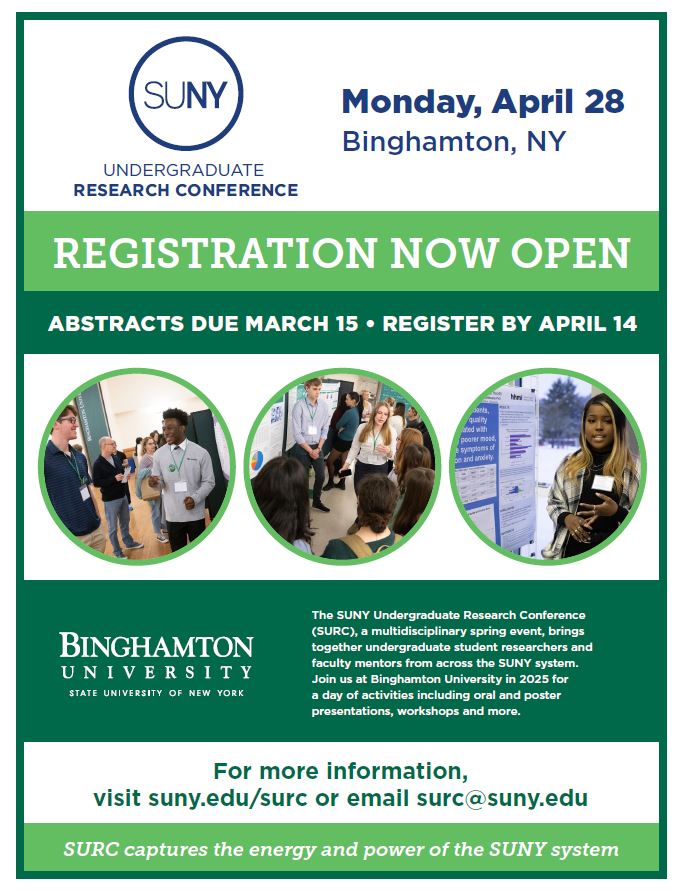
Registration is now open for the SUNY Graduate Research and Creative Activities Conference (GRC), a SUNY-wide virtual multidisciplinary spring semester event that highlights and showcases graduate students’ achievements in scholarship.
It brings together graduate students and faculty mentors from across the SUNY system, by providing a forum to disseminate research and creative activities in the form of oral and poster presentations in ALL academic disciplines. By bringing together students and faculty from across the state, the GRC provides a venue for networking and helps realize the synergistic power of the SUNY system.
SUNY Conference on Instruction and Technology (CIT)
Human-Centered Learning: Tensions, Innovations,
and Inclusion in the Future of Education
Keynote Speaker – Joshua Eyler, Ph.D
Joshua Eyler, Ph.D. is Director of Faculty Development and Director of the Think Forward Quality Enhancement Plan at the University of Mississippi, where he is also Clinical Assistant Professor of Teacher Education. He previously worked on teaching and learning initiatives at Columbus State University, George Mason University, and Rice University. Eyler is the author of Failing Our Future: How Grades Harm Students and What We Can Do About It, an indictment of the grading system in American schools and colleges―and a blueprint for how we can change it, and the acclaimed bookHow Humans Learn: The Science and Stories behind Effective College Teaching, which in 2019 Book Authority named “100 Best Education Books of All Time”.
Closing Speaker – Byan Dewsbury
Bryan Dewsbury is an Associate Professor of Biology at Florida International University (FIU). He is the Principal Investigator of the Science Education And Society (SEAS) research program, which blends research on the social context of teaching and learning, faculty development of inclusive practices, and programming in the cultivation of equity in education. He is also a Fellow with the John N. Gardner Institute where he assists institutions of higher education cultivate best practices in inclusive education. He is a co-editor of the book the Norton Guide to Equity Minded Teaching. He has led faculty development workshops in over 150 institutions across North America, Europe and Western Africa. He is the host of the podcast Knowledge Unbound where he interviews people who do transformational work in education across the globe.
The IITG/OER Impact Grants Application Portal will close March 30th. There has been a great deal of interest in the grants this year, and we look forward to hearing your ideas!
In support of the SUNY Office of Student Success, SUNY CPD is hosting a two-series of webinars this spring:
Campus Best Practices for Student Success: Transformation Fund Community of Practice
As part of the SUNY Transformation Fund initiative, this FREE webinar series will provide a platform for campuses to exchange best practices and learn from each other’s experiences. Each session will feature expert speakers and interactive discussions, offering participants valuable insights and actionable strategies to support student success across SUNY campuses.
Proactive Advising
April 23, 2025
12:00 pm – 1:00 pm
Gain insights into proactive advising techniques that help identify and address student challenges early, preventing potential barriers to success.
Ensuring student success and timely graduation is more critical than ever. This FREE Transformation Fund webinar series will delve into Complete College America’s (CCA) proven strategies and best practices. Sessions will provide participants with actionable insights and a comprehensive understanding of how to foster a supportive and effective learning environment across SUNY campuses.
First-Year Experience
April 3, 2025
12:00 pm – 1:00 pm
Discuss how to create impactful first-year programs that meet students’ academic and social needs. Hear how institutions can use AI to provide personalized interventions, monitor student success, and enhance the overall first-year experience.
Joseph Trumpler has joined the SUNY Center for Professional Development as the Business Manager, where he will support the financial, budgetary and procurement operations of CPD’s program staff.
Prior to joining CPD, Joseph spent the last 16 years with the Office of Business Operations managing accounts payable, accounts receivable and acting as the university-system travel program administrator. He comes to use with a bachelor’s in public policy/public administration from the University at Albany.
Kae Harrison has joined the SUNY Center for Professional Development as a Program Coordinator, working with the Delivery and Services team to support training and professional development activities.
Prior to joining CPD, Kae was a Student Conduct Co-Administrator and the Program Manager for Student Employment at Principia College in Illinois. She has a bachelor’s degree in Communications, Political Science, and Comparative Religions. She has four children, one grandchild, and a very mischievous french bulldog.